Newar History & Heritage
Exploring the rich cultural legacy of the Newar people through centuries
Ethics Statement
This page contains sensitive cultural and historical information. Please approach the material with respect and awareness of its social context.
Overview
The Newars are the historical inhabitants of the Kathmandu Valley in Nepal and creators of its spectacular urban civilization. With a documented history of over two millennia, Newars have developed a complex culture characterized by unique urban settlements, sophisticated art and architecture, and a highly stratified social system. Britannica
Newar society is noted for its synthesis of Hindu and Buddhist traditions, with most rituals and festivals incorporating elements from both religions. The Newar language, known as Nepal Bhasa, is a Sino-Tibetan language with a rich literary tradition dating back to the 12th century. Hutt & Subedi 2003
The Kathmandu Valley, the heartland of Newar civilization, was designated a UNESCO World Heritage Site in 1979 in recognition of its extraordinary cultural and artistic achievements. Newar architects and artisans developed distinctive styles of temple architecture, particularly the pagoda style which influenced building traditions across the Himalayas. UNESCO
⚠️ This content is under community review. Some sections may be updated after verification.
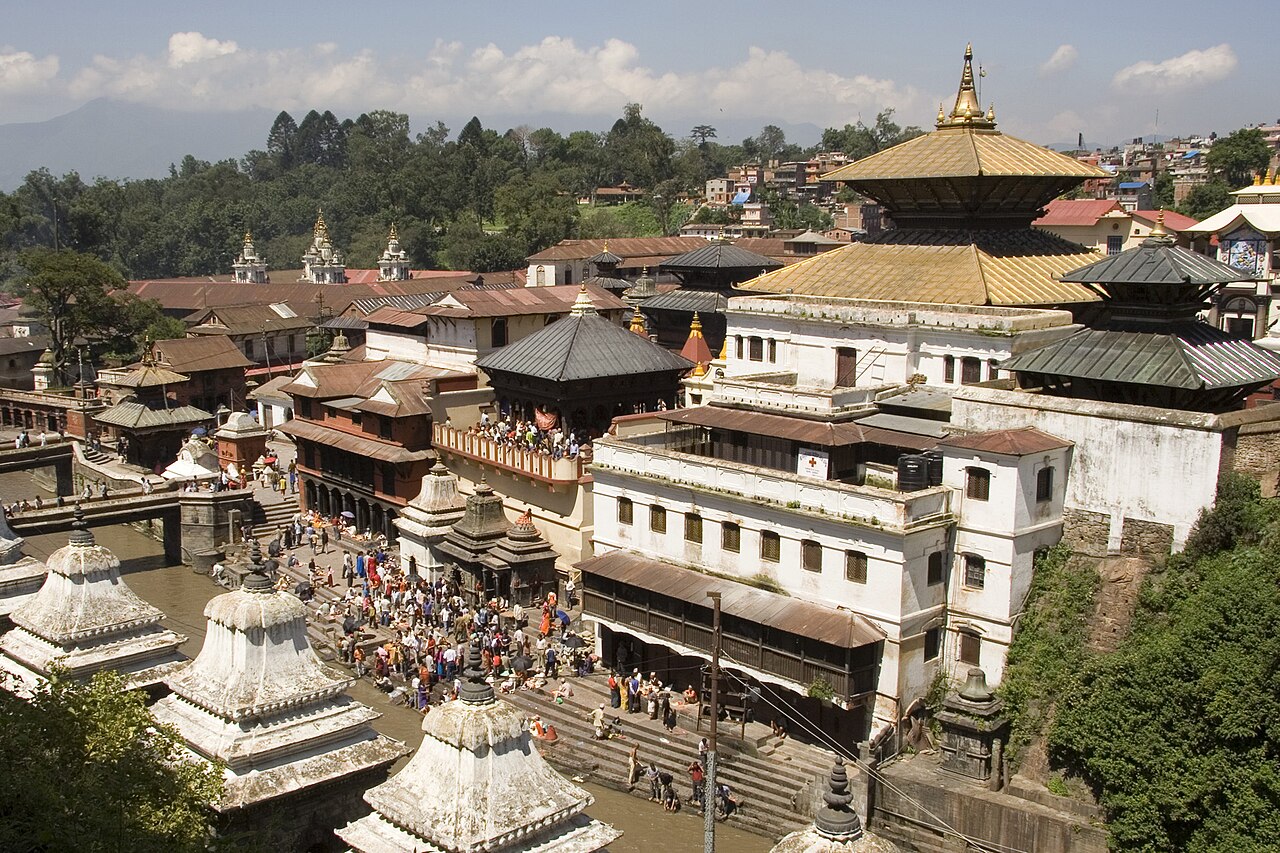
The Kathmandu Valley, heartland of Newar civilization (Source: UNESCO)
Historical Timeline
Pre-400 CE: Early Settlements
Archaeological evidence suggests early settlements in the Kathmandu Valley dating back to the 1st millennium BCE. The earliest known inhabitants were likely Kirats, followed by the Newars who developed a distinct urban civilization.
400-750 CE: Licchavi Period
Golden age of art and architecture; establishment of many cultural traditions. The Licchavi dynasty left extensive inscriptions in Sanskrit documenting social, economic, and religious life. Newar culture began to take distinctive shape during this period.
750-1200 CE: Transitional Period
A period of political fragmentation and cultural synthesis. The practices of Hinduism and Buddhism became more deeply integrated, creating the unique syncretic tradition characteristic of Newar culture.
1200-1769: Malla Dynasty
Flourishing of Newar culture; construction of palaces, temples, and public spaces. The Malla kings were great patrons of art, architecture, and literature. This era saw the construction of iconic landmarks like Kathmandu, Patan, and Bhaktapur Durbar Squares.
1382: Jayasthiti Malla's Codification
Social reorganization and caste system formalization. King Jayasthiti Malla introduced legal and social reforms that organized Newar society into a complex caste hierarchy with specific duties and privileges for each group.
1769: Gorkha Conquest
Prithvi Narayan Shah conquers Kathmandu Valley, ending Malla rule. This marked the beginning of Shah dynasty rule and significant changes to Newar political influence and cultural autonomy.
1854: Muluki Ain
Rana legal code further codifies social hierarchy. The legal document formalized caste distinctions and restrictions, affecting Newar social organization for generations.
1951: End of Rana Rule
Democratic reforms begin; caste discrimination officially outlawed. Newars played significant roles in the democracy movement and subsequent cultural revival.
1990: Cultural Renaissance
Following the People's Movement, Newar language and culture experience a revival. Nepal Bhasa publications increase, and cultural organizations gain momentum.
Present: Cultural Preservation
Revival movements and efforts to preserve Newar heritage continue amidst modernization and globalization. UNESCO designation of Kathmandu Valley World Heritage Site helps preservation efforts.
Social Structure
The traditional Newar social structure is organized around a complex caste system (jāt) that incorporates both Hindu and Buddhist elements. Historically comprising approximately 70 distinct castes, this system was formally codified during the reign of King Jayasthiti Malla (1382-1395) and further reinforced by the Muluki Ain legal code of 1854. Hofer 1979
Each caste traditionally had specific occupational specializations, ritual roles, and social obligations. While the legal framework for caste discrimination was abolished in 1963, caste identity remains socially significant in many contexts. Gellner 2007
The system is unique in its integration of both Hindu and Buddhist religious frameworks, with parallel priestly classes (Brahmin and Vajracharya) and complex rules governing interpersonal relations, dining, and marriage across caste lines. Toffin 1984
Language and Literature
Nepal Bhasa (also known as Newari) is a Sino-Tibetan language with its own distinct script (Prachalit, Ranjana, and others). It has a rich literary tradition dating to the 12th century with the earliest known inscription from 1140 AD. Malla 1989
The language experienced a golden age during the Malla period (1200-1769) with prolific production of dramatic works, poetry, and religious texts. Despite suppression during the Rana and Shah periods, the language has experienced a revival since the 1990s. Hutt 1994
Today, Nepal Bhasa is recognized as a national language of Nepal and is taught in schools and used in media publications. Efforts to digitize the language and promote its use continue through various cultural organizations. Gellner 2007
Historical Development
Ancient Era
Nepal Bhasa originated from Sanskrit and Prakrit influences during the Licchavi period. Early inscriptions show a developing literary tradition.
Malla Period
Golden age of Nepal Bhasa literature with dramatic works, poetry, and religious texts. The language flourished under royal patronage.
Gorkha Rule
Decline in official status as Nepali became the state language. Nepal Bhasa persisted in domestic and religious contexts.
Rana Era
Suppression of Nepal Bhasa publications and education. The language was maintained through oral traditions and religious practices.
Modern Revival
Renaissance movement from the 1920s onward. Democratization after 1990 led to increased recognition and use in media and education.
Arts & Crafts
Newar artisans have created some of the most exquisite art and architecture in the Himalayan region. Their craftsmanship in wood, metal, stone, and clay is renowned for its technical excellence and aesthetic refinement. Slusser 1982
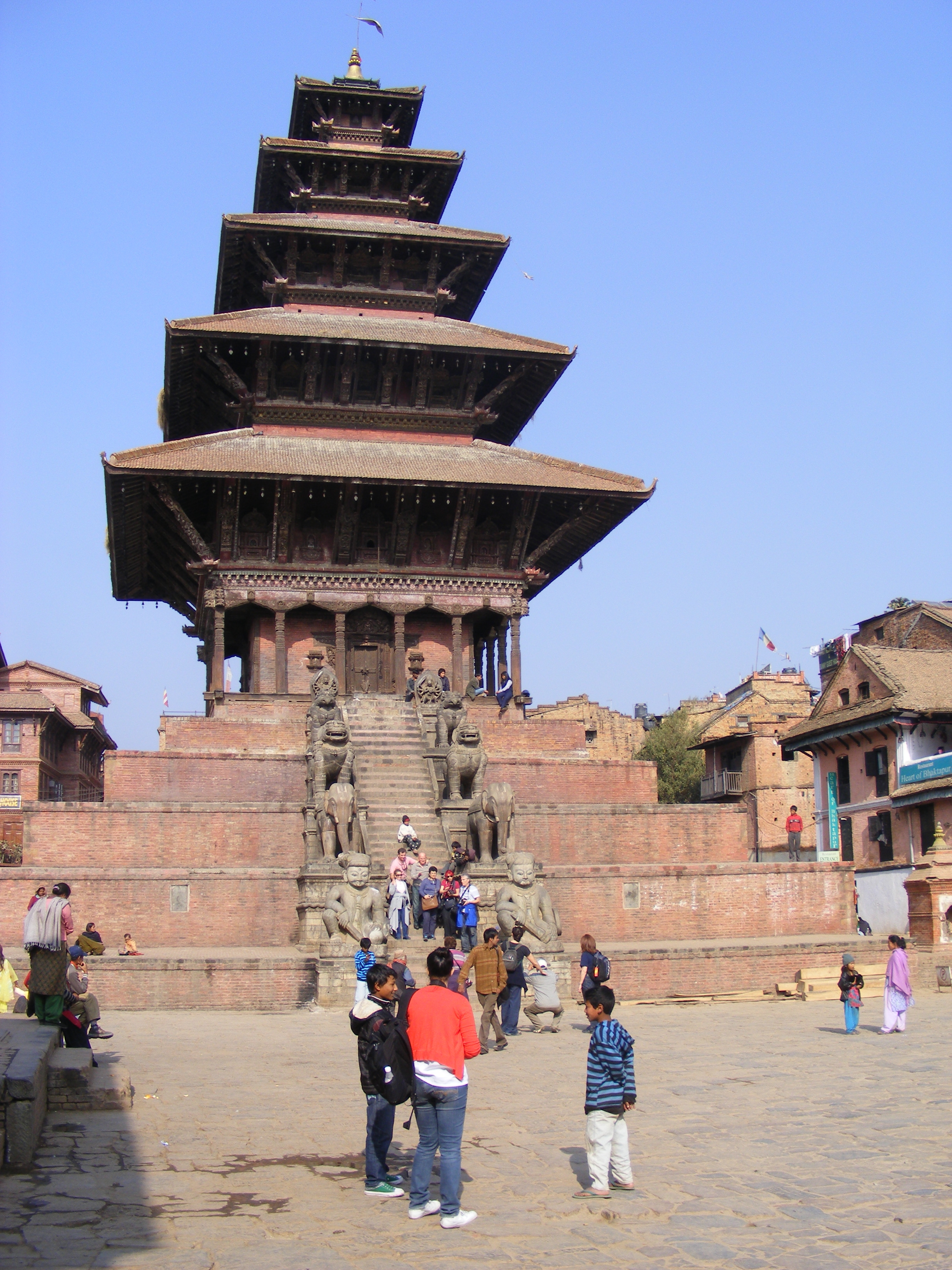
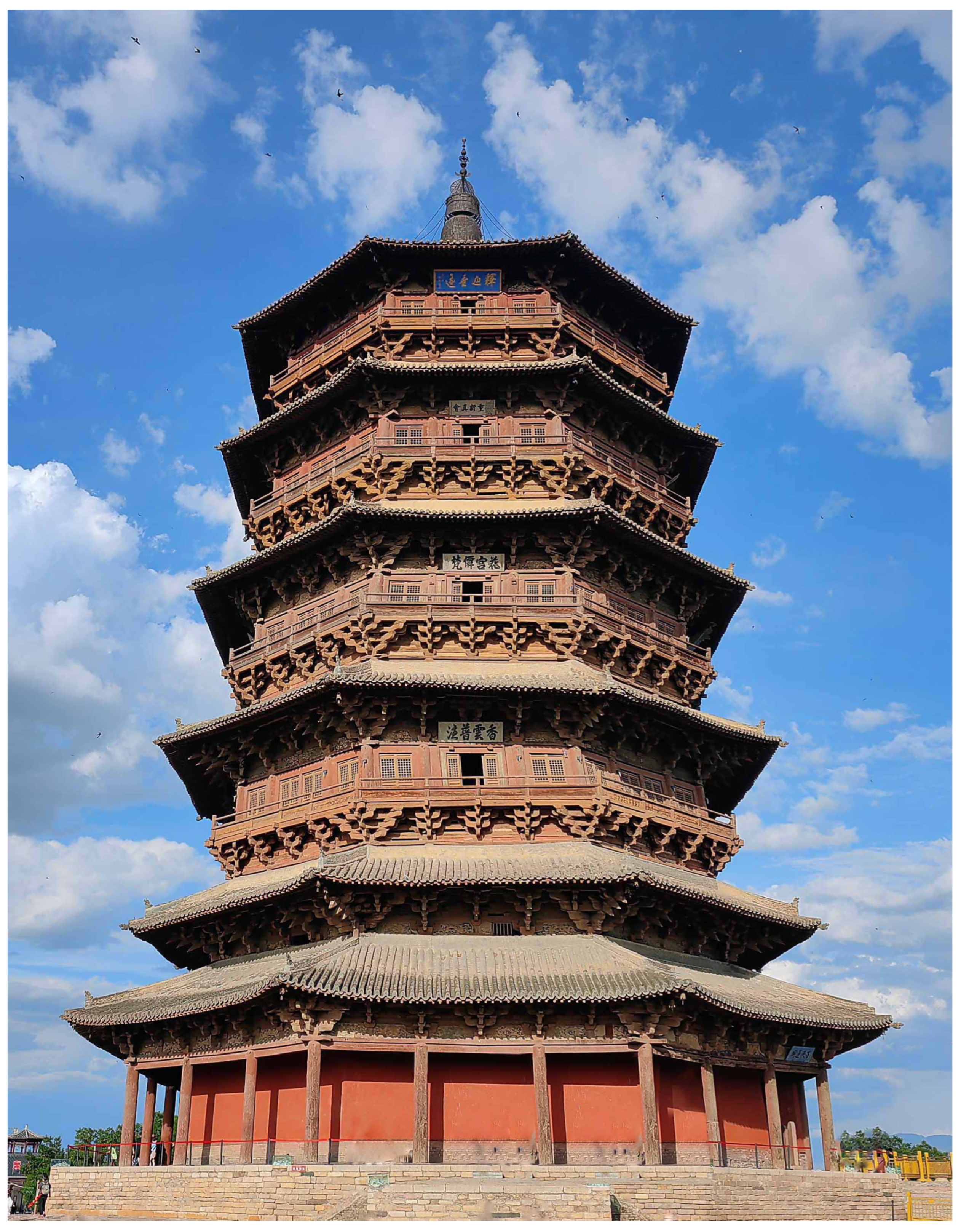
The distinctive pagoda style of temple architecture developed by Newar architects influenced building traditions across Asia. Similarly, Newar metalworkers and painters created works that were exported throughout the Buddhist world. Pal 1974
Architecture
Pagoda style temples, courtyards, and palace complexes characterized by intricate wood carvings, brickwork, and tiered roofs.
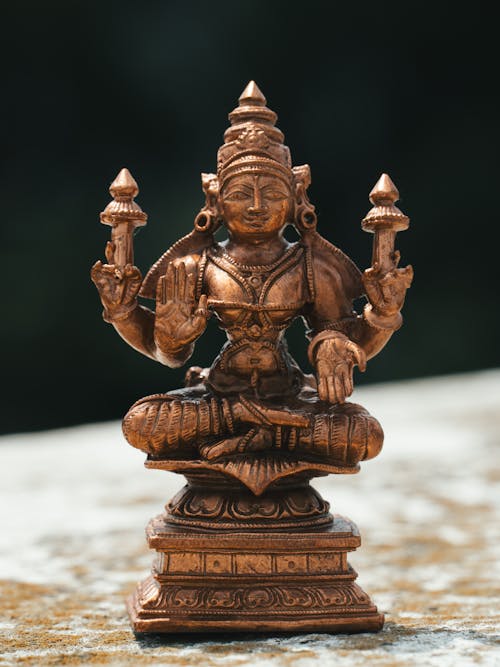
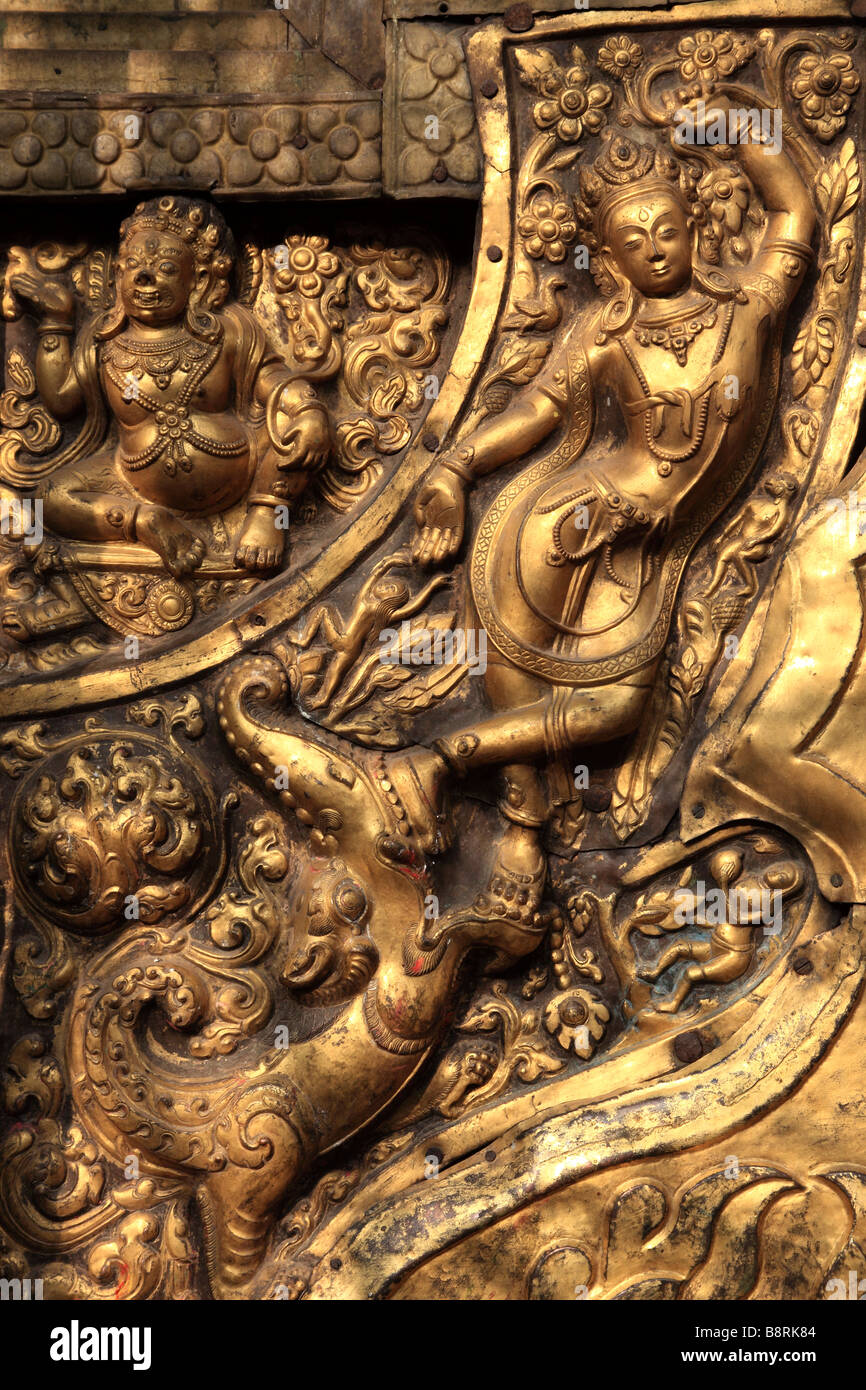
Metalwork
Bronze casting, repoussé work, and ritual objects including statues, bells, and ritual vessels demonstrating exceptional craftsmanship.
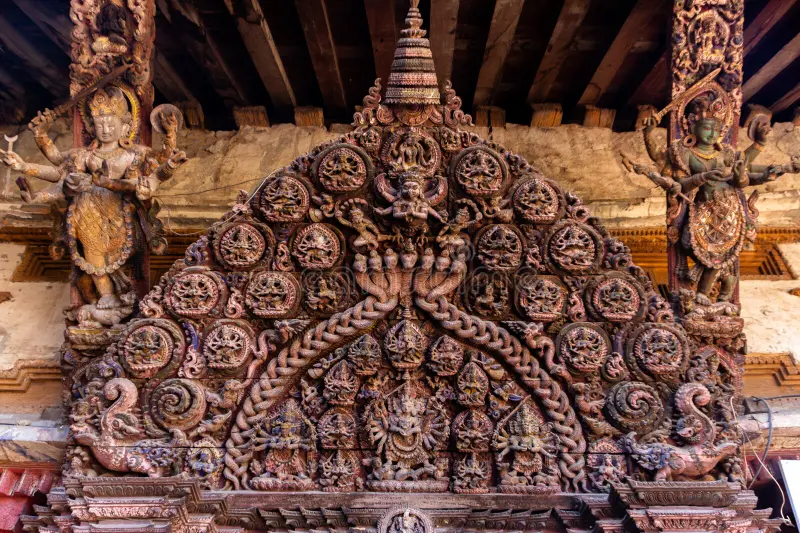
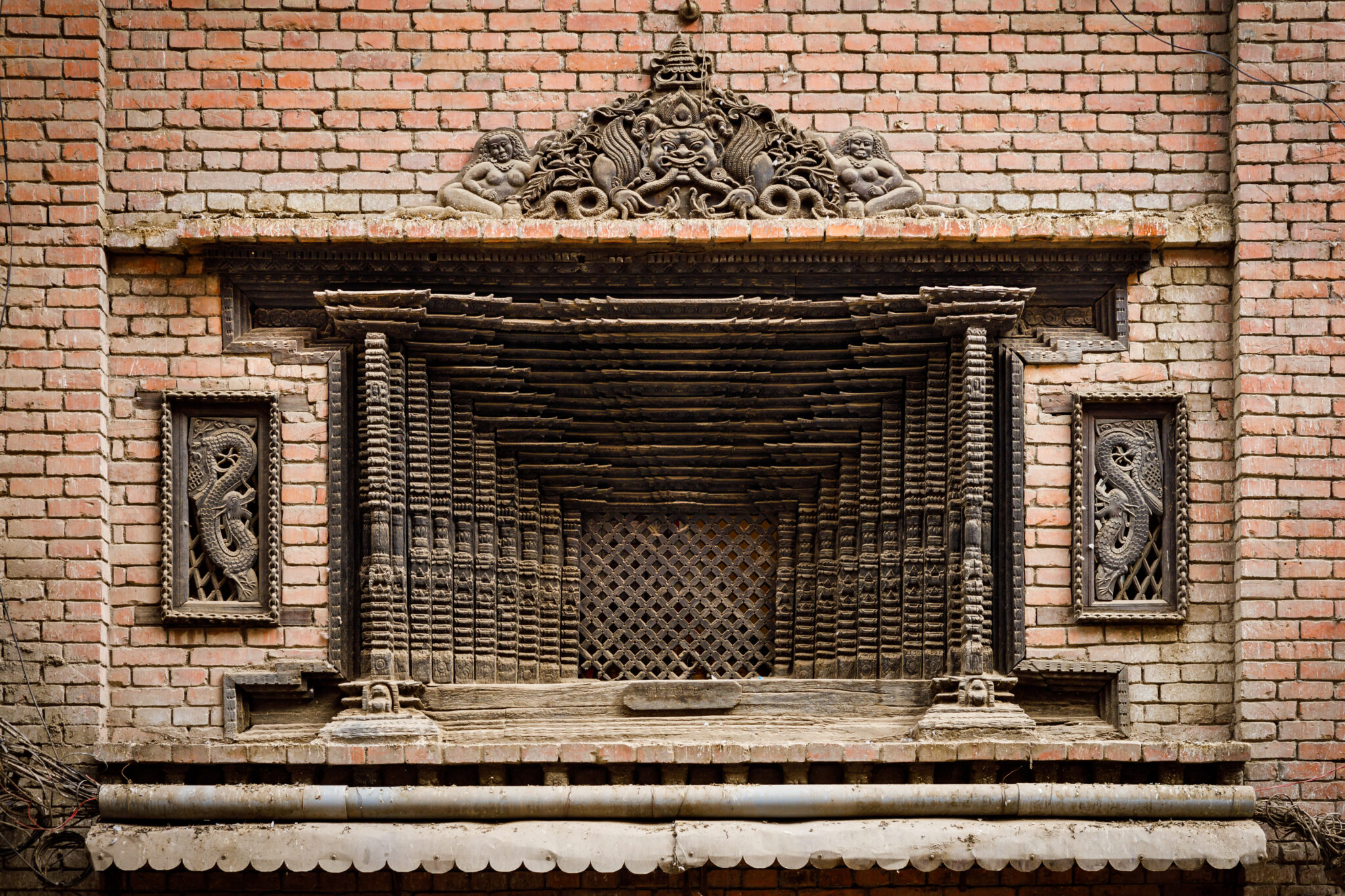
Wood Carving
Intricate window frames, toranas, and temple struts featuring deities, mythical creatures, and floral patterns.
Paubha Painting
Religious scroll paintings in traditional style similar to Tibetan thangkas but with distinctive Newar characteristics.
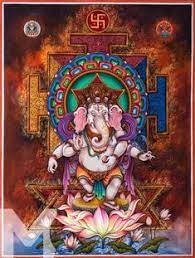

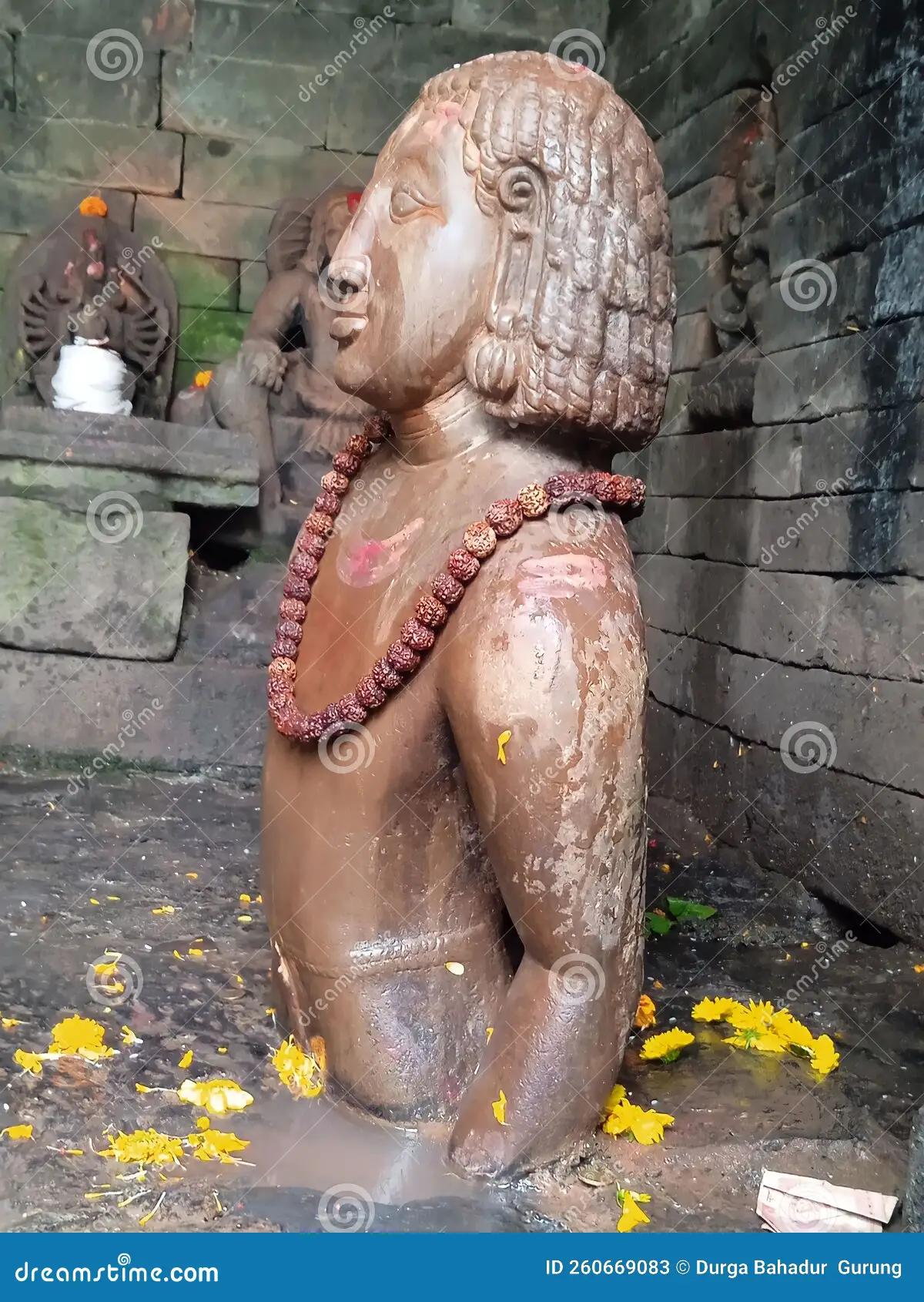
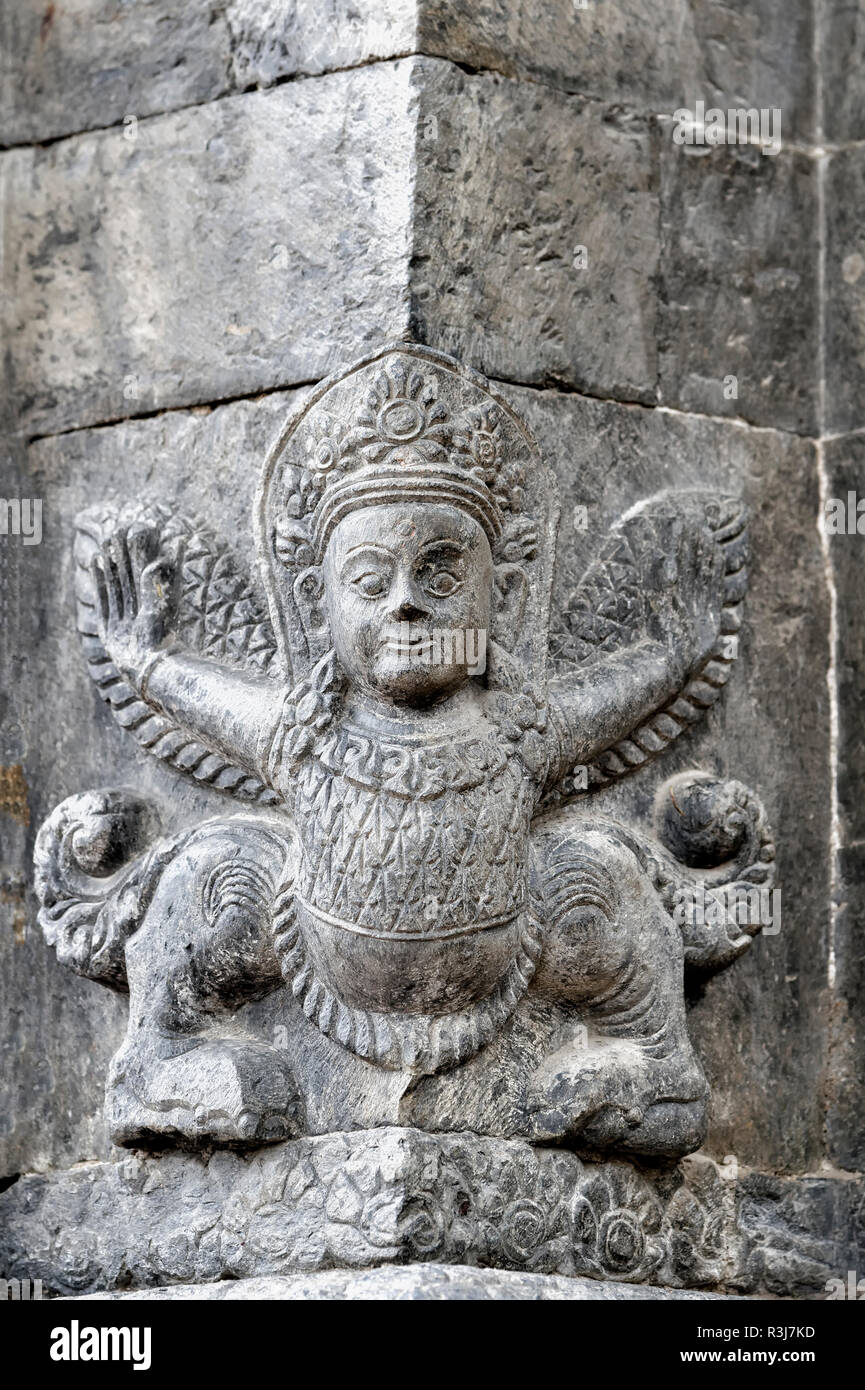
Stone Sculpture
Exquisitely carved stone statues of deities, guardians, and decorative elements found in temples and public spaces.
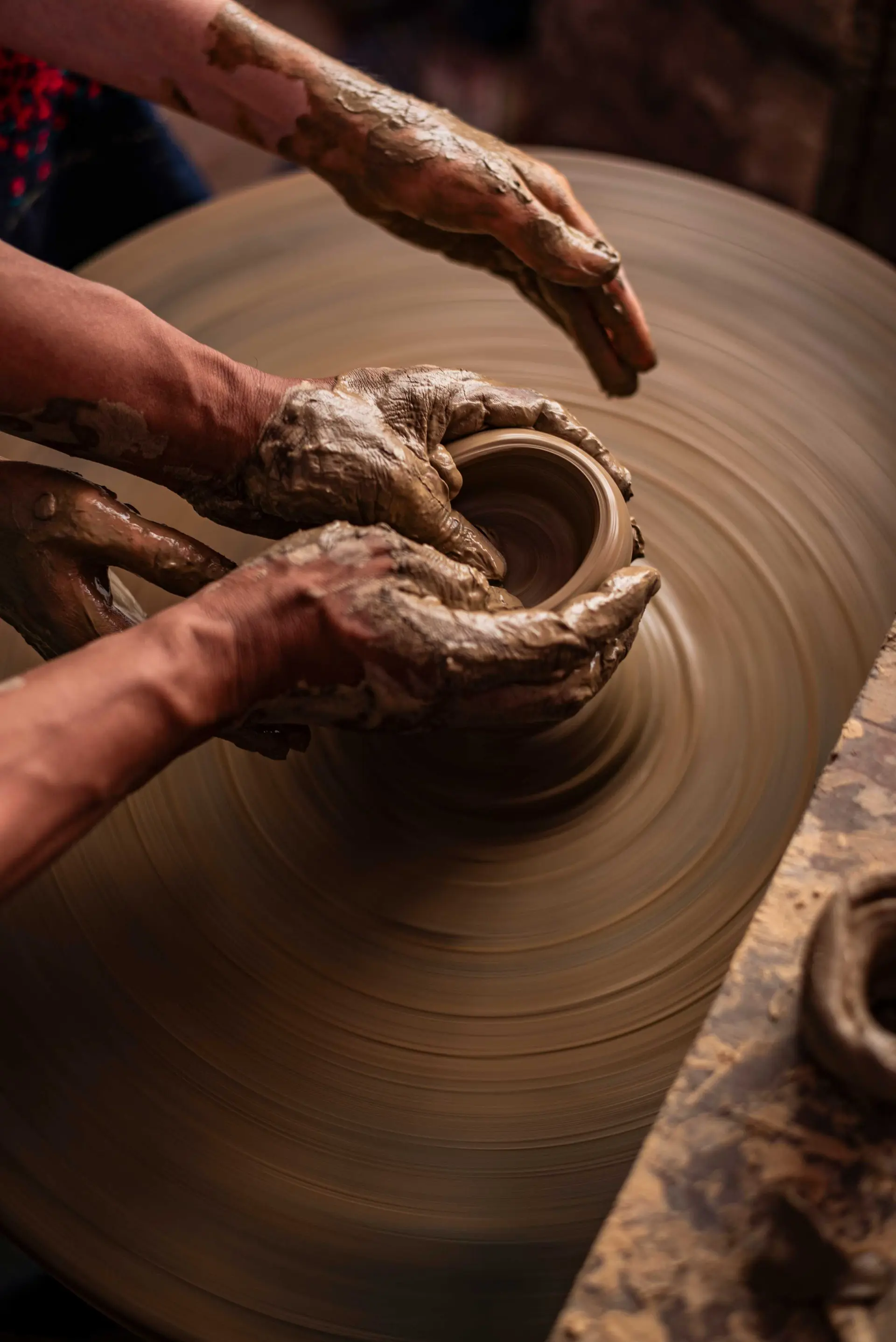
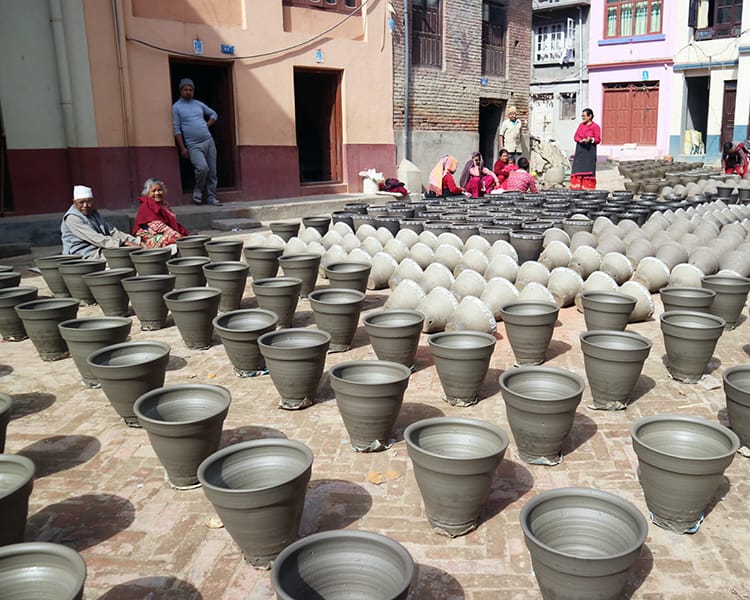
Pottery
Traditional pottery making, especially in the Thimi region, producing both utilitarian and ritual vessels.
Religion & Rituals
Newar religious life is characterized by a unique synthesis of Hinduism and Buddhism, where the two traditions coexist and often interpenetrate. Most Newars practice both religions simultaneously, participating in festivals and rituals from both traditions. Gellner 1992
This syncretism is evident in temple complexes where Hindu and Buddhist deities are worshipped side by side, and in religious specialists who perform rituals from both traditions. Many Newar households maintain shrines to both Hindu and Buddhist deities. Locke 1985
The ritual calendar is densely packed with festivals, processions, and life-cycle ceremonies that reinforce community bonds and religious identity. These rituals often involve complex arrangements of offerings, music, and masked dances. Levy 1990
Major Festivals
history.festivals.indra.name
history.festivals.indra.description
Significance: history.festivals.indra.significance
history.festivals.gunla.name
history.festivals.gunla.description
Significance: history.festivals.gunla.significance
history.festivals.samyak.name
history.festivals.samyak.description
Significance: history.festivals.samyak.significance
history.festivals.bisket.name
history.festivals.bisket.description
Significance: history.festivals.bisket.significance
history.festivals.mohani.name
history.festivals.mohani.description
Significance: history.festivals.mohani.significance
history.festivals.sithi.name
history.festivals.sithi.description
Significance: history.festivals.sithi.significance
Historical Sites
The Kathmandu Valley contains seven UNESCO World Heritage Sites, most of which represent the pinnacle of Newar architectural and artistic achievement. These sites continue to be living centers of worship and community life. UNESCO
[Map Placeholder]
Center: 27.7172, 85.324 | Zoom: 12
- 📍 Kathmandu Durbar Square – Historic royal palace complex with temples and courtyards
- 📍 Patan Durbar Square – Architectural showcase of Malla period artistry
- 📍 Bhaktapur Durbar Square – Well-preserved medieval city with iconic architecture
- 📍 Swayambhunath – Ancient Buddhist stupa complex overlooking the valley
- 📍 Pashupatinath – Sacred Hindu temple complex on the Bagmati River
- 📍 Changu Narayan – Ancient Vishnu temple with exquisite carvings
- 📍 Boudhanath – Massive Buddhist stupa and pilgrimage site
Cuisine
Newar cuisine is known for its diversity and elaborate preparation, often involving fermented ingredients and complex spice mixtures. Meals are traditionally served on leaf plates or beaten metal vessels in a specific order. Lewis 1984
Food plays a central role in rituals and festivals, with specific dishes prepared for particular occasions. The Newar feast, known as bhoj, is an elaborate multi-course meal served during celebrations and religious ceremonies. Gellner 1992
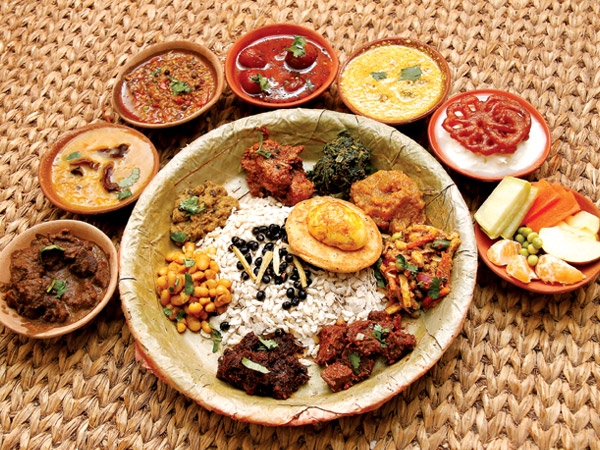
Traditional Newar feast with various dishes (Source: Nepal Tourism Board)
Diaspora Communities
Newar diaspora communities have established themselves in various parts of the world, maintaining cultural traditions while adapting to local contexts. These communities often organize cultural associations to preserve language, rituals, and identity. Gellner 2007
Despite geographical dispersal, diaspora Newars maintain connections through digital media, periodic gatherings, and participation in major festivals. Many return to Nepal for important life-cycle rituals and festivals. Hutt 1994
India
Significant Newar communities in Sikkim, Darjeeling, Kalimpong, and other parts of Northeast India, maintaining cultural traditions.
Tibet
Historical trade connections led to Newar settlements in Lhasa and other Tibetan cities, particularly among merchant and artisan communities.
UK, USA, Australia
Diaspora communities established through education and migration, maintaining cultural associations and festivals abroad.
Contemporary Life
Demographics
According to the 2011 Nepal census, Newars number approximately 1.3 million, representing about 5% of Nepal's population. While historically concentrated in the Kathmandu Valley, significant Newar diaspora communities now exist throughout Nepal and in countries including India, the United Kingdom, the United States, and Australia. CBS Nepal 2012
Cultural Preservation
Numerous organizations in Nepal and abroad work to preserve and promote Newar language and culture. These include the Nepal Bhasa Manka Khala, Newah Organization of America, and various local Guthi organizations that maintain traditional practices and festivals. Gellner 2007
Modern Challenges
Urbanization, migration, and globalization present challenges to the preservation of Newar culture. However, renewed interest among younger generations and digital archiving initiatives offer hope for cultural continuity. Gellner 2007
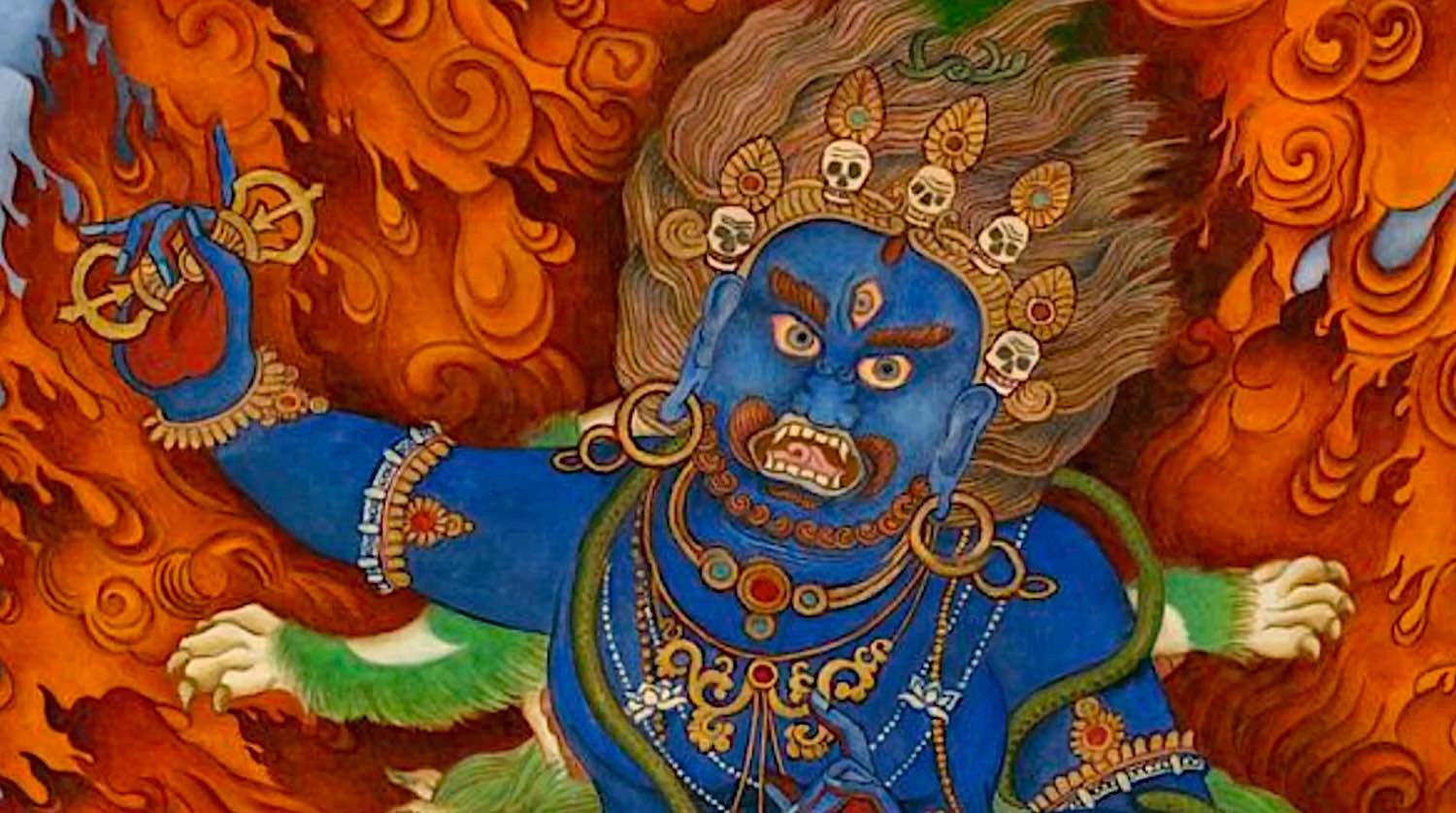
Newar cultural festival in Kathmandu (Source: Nepal Tourism Board)
Oral Histories
Community Voices
Recorded interviews with community members sharing personal experiences and historical memories
Oral history collection is currently in progress. Check back soon for interviews with community elders, artisans, and cultural practitioners sharing their experiences and knowledge.
Bibliography
- Slusser, Mary Shepherd. *Nepal Mandala* (1982)
- Gellner, David. *Monk, Householder, and Tantric Priest* (1992)
- Levy, Robert. *Mesocosm: Hinduism and the Organization of a Traditional Newar City* (1990)
- UNESCO World Heritage Centre. "Kathmandu Valley."